
Coffee has long been the fuel of modern work culture.
Early starts, long hours and constant cognitive demand have made caffeine the default solution for staying productive. For years, coffee has been synonymous with focus, efficiency and performance.
But for many people, that relationship has started to shift.
Coffee, cortisol and the modern nervous system
Caffeine works by stimulating the nervous system and increasing cortisol — the hormone that helps the body feel alert and awake. In isolation, this response is normal and useful.
The issue is context.
Modern life already keeps cortisol elevated through stress, poor sleep, constant notifications and mental overload. When caffeine is layered on top, the nervous system can tip into overstimulation rather than improved performance.
For many, this shows up as anxiety, restlessness, difficulty sleeping and ongoing fatigue — even while drinking coffee daily.
Caffeine also remains in the body longer than many people realise. Its average half-life is around five to seven hours, meaning an afternoon coffee can still affect sleep later that night, even if you don’t feel wired at the time.
Why quitting coffee isn’t the answer
Despite this, most people aren’t looking to give up coffee entirely.
Coffee isn’t just a stimulant — it’s a ritual. The taste, warmth and familiarity matter, especially in demanding work environments where routines provide structure and comfort.
What people are increasingly searching for is a way to keep the ritual without the drawbacks.
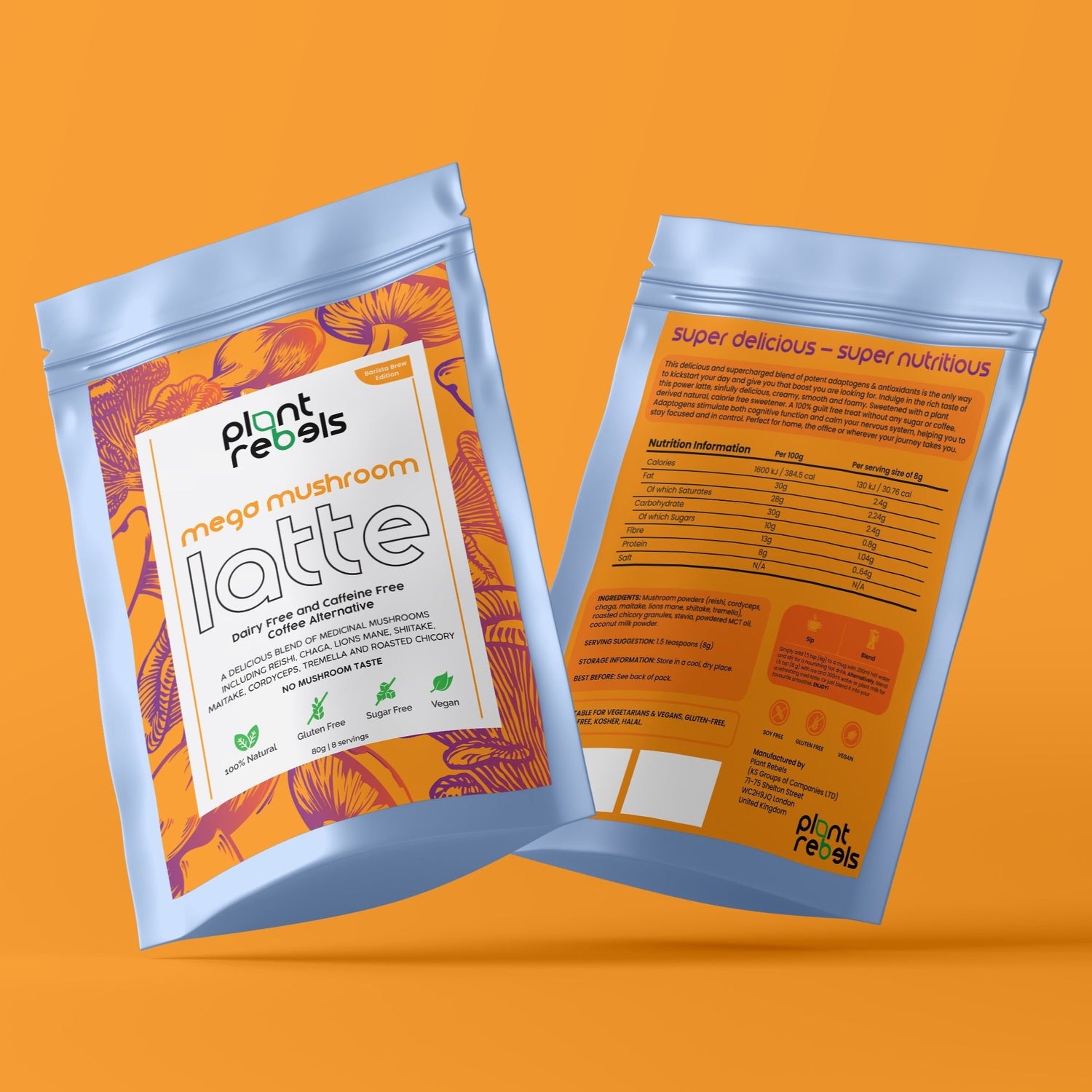
This is where interest in decaf coffee — and specifically decaf mushroom coffee — has grown.
Why decaf mushroom coffee works
Decaf coffee removes the primary driver of overstimulation while preserving the taste and experience of coffee itself.
Adding functional mushrooms builds on that foundation by supporting focus and balance rather than pushing energy higher.
Instead of sharp spikes in alertness, the aim is steadier clarity — something better suited to long workdays, meetings and sustained concentration.
The benefits of functional mushrooms in coffee
Different mushrooms contribute different functional benefits:
- Lion’s Mane is associated with cognitive function, memory and mental clarity
- Reishi is traditionally used to support stress resilience and nervous system balance
- Chaga and Maitake are valued for their adaptogenic properties and overall wellbeing
- Tremella is known for hydration and skin support, linking performance with long-term health
When combined with decaf coffee, these mushrooms complement the experience rather than altering it — the result still tastes like coffee, but feels gentler and more balanced.
Who decaf mushroom coffee is for
Mushroom coffee is often associated with biohackers and wellness enthusiasts, but its appeal is far broader.
It’s increasingly chosen by busy professionals who want to:
- maintain focus without anxiety
- protect sleep quality
- avoid energy crashes
- perform consistently throughout the day
Decaf mushroom coffee isn’t about doing less — it’s about sustaining performance in a way that works with the body, not against it.
The bottom line
In a high-pressure work culture, more stimulation isn’t always the answer.
Decaf mushroom coffee offers a practical middle ground: the taste and ritual of coffee, without excessive nervous system activation, and with added functional support.
For people looking to meet the demands of modern work while protecting focus, sleep and long-term wellbeing, it’s a smarter evolution of coffee — not a compromise.